 05/11/2026
ASU Faculty of Pharmacy Promotes Innovation in Pharmaceutical Research and Academic Capacity Building through an “AI-Powered Drug Discovery” Workshop
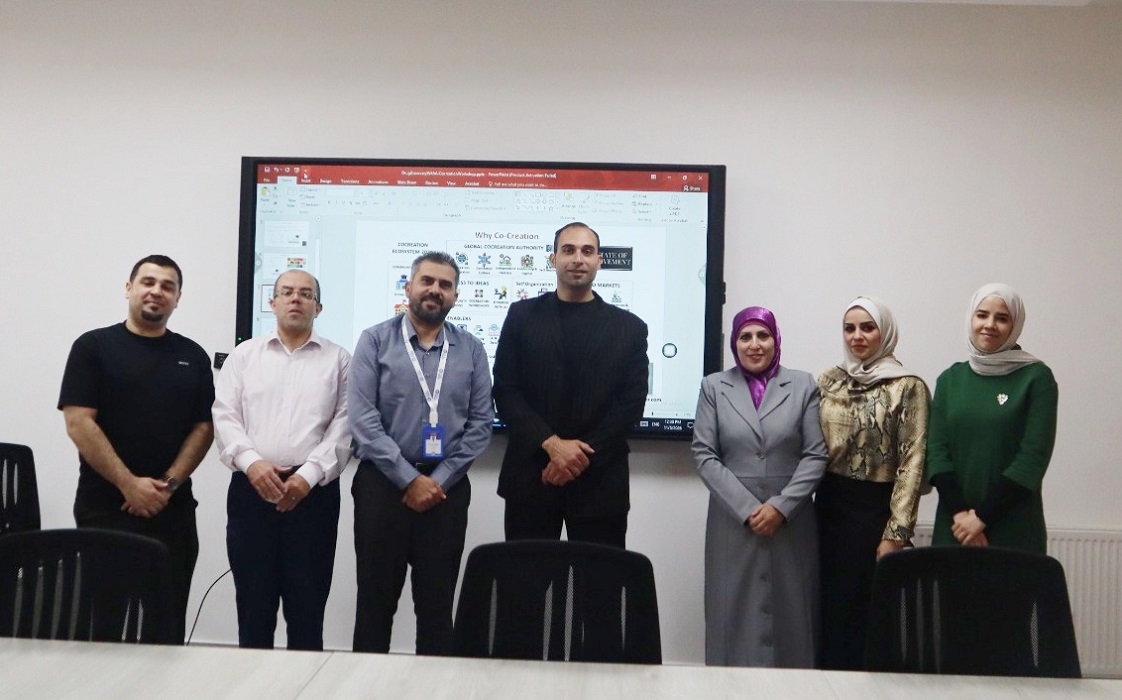
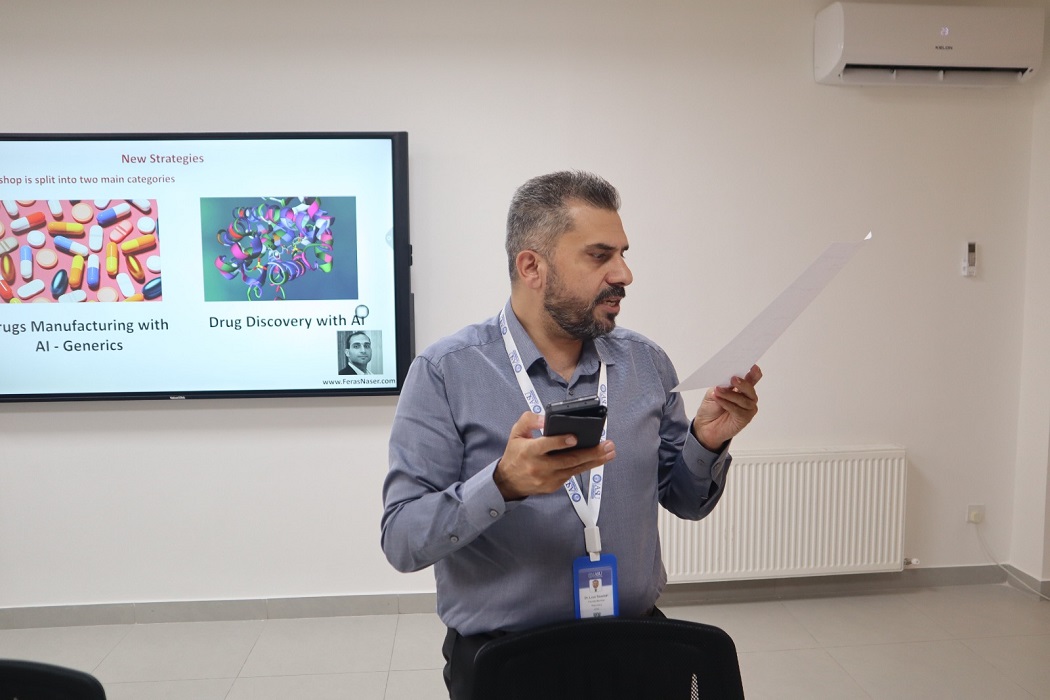
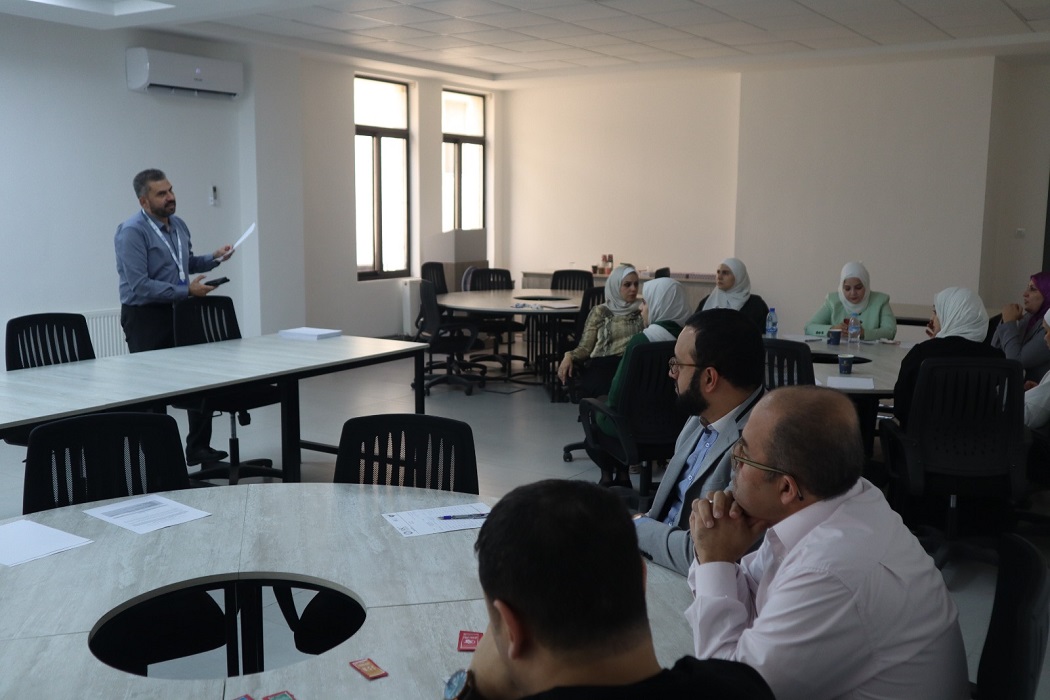
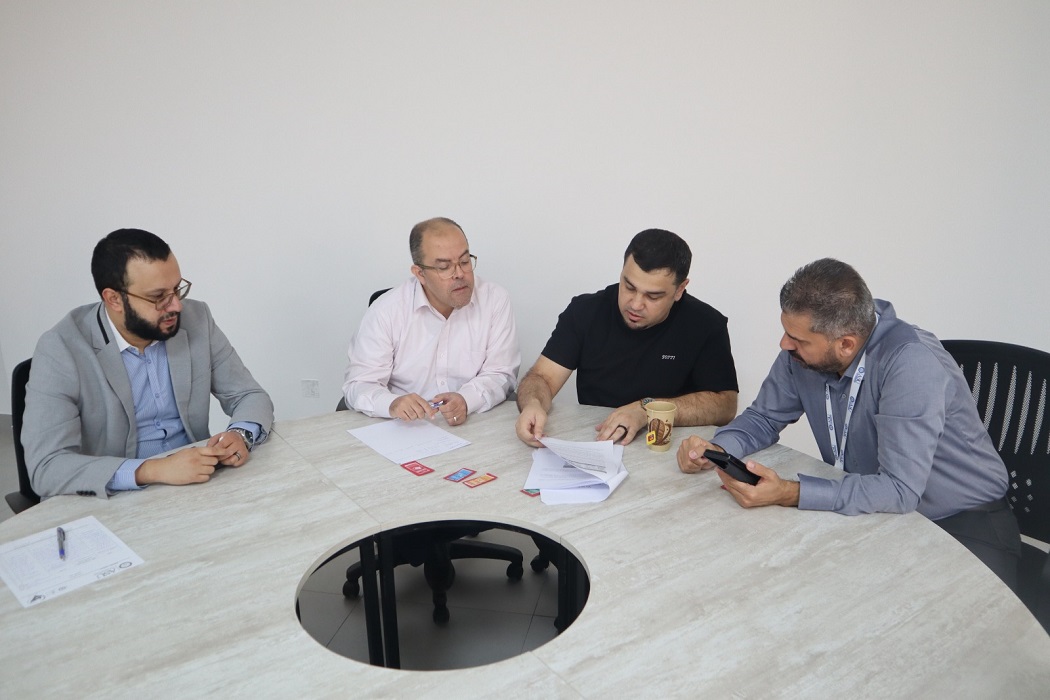
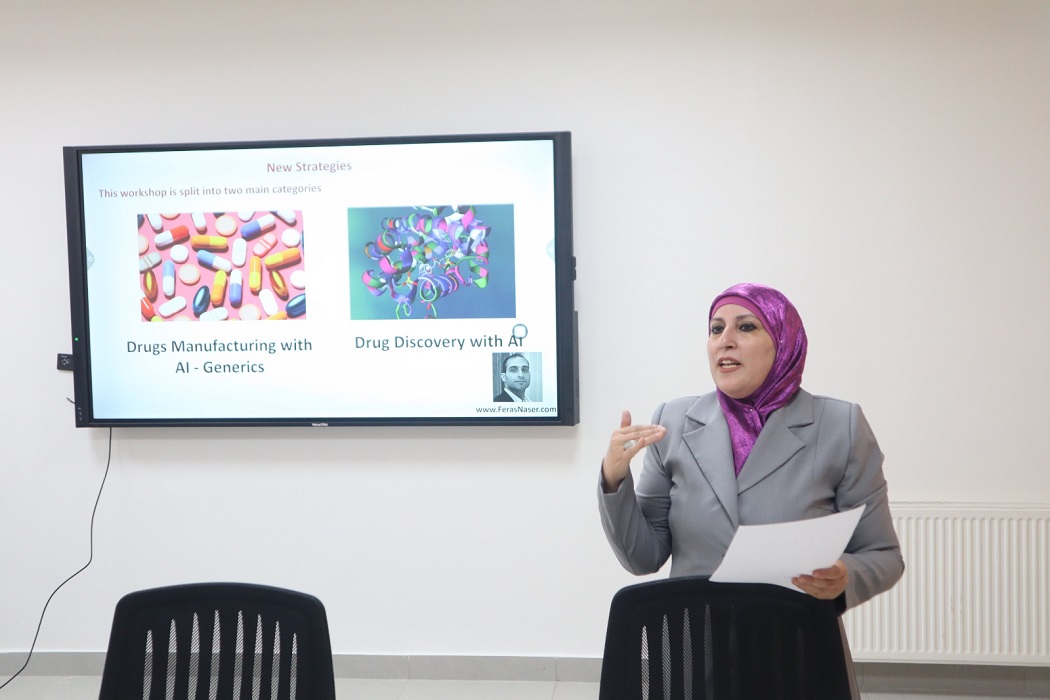
As part of the Faculty of Pharmacy at Applied Science Private University’s ongoing efforts to enhance the quality of higher education, strengthen the research capabilities of its academic staff, and keep pace with the rapid developments in digital technologies and artificial intelligence applications in pharmaceutical sciences, the Faculty’s Scientific and Cultural Committee organized a specialized workshop entitled “Drug Discovery with AI” on Thursday, 5 November 2026.
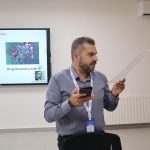
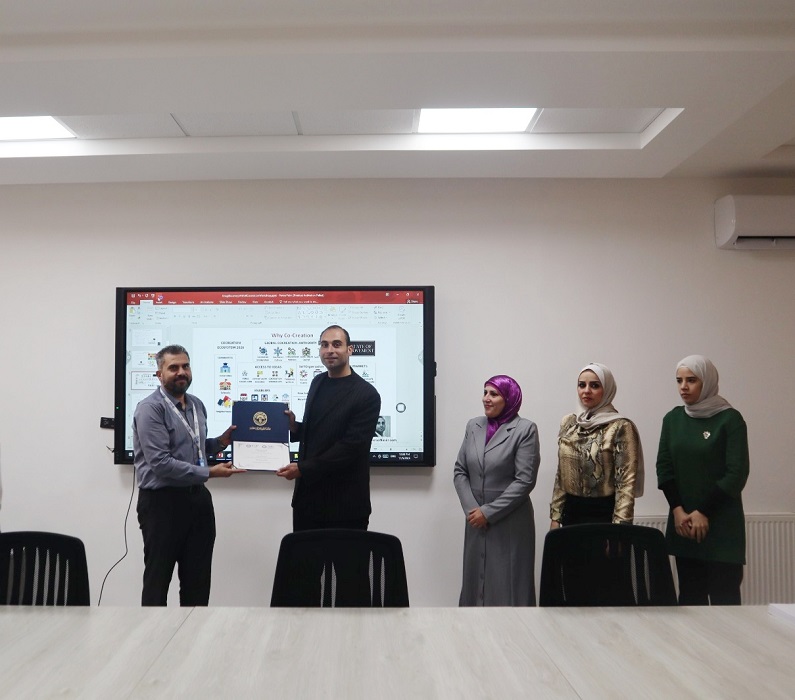
The workshop was delivered by Eng. Firas Nasser from Al-Ibdaa Company. It explored the role of artificial intelligence applications in drug discovery and the potential of modern computational technologies to support pharmaceutical research and development, accelerate the screening of promising drug candidates, and facilitate their evaluation.
The workshop highlighted the importance of keeping pace with technological transformations in scientific research and exploring the opportunities offered by AI tools to advance pharmaceutical research methodologies. These developments open new horizons for academic staff to incorporate advanced digital applications into their academic and research activities.
In alignment with Sustainable Development Goal 4 (SDG 4: Quality Education), the workshop reflected the Faculty of Pharmacy’s commitment to lifelong learning and the continuous professional development of its academic staff. It also emphasized expanding opportunities to acquire knowledge and skills related to emerging technologies, thereby supporting the modernization of teaching and research practices within the faculty.
The workshop also aligned with SDG 9: Industry, Innovation and Infrastructure, through its focus on innovative technologies in drug discovery and raising awareness of digital applications that can contribute to advancing research and development in the pharmaceutical sector.
Furthermore, the workshop’s themes were linked to SDG 3: Good Health and Well-being, given the importance of scientific research in drug discovery and development as a key contributor to progress in healthcare. Introducing AI applications in this field represents an important step towards understanding the modern tools used in pharmaceutical research. However, it is important to clarify that the workshop did not result in the discovery of a treatment or the development of a new drug.
The participation of an expert from Al-Ibdaa Company also highlighted the importance of strengthening communication between academic institutions and the technology sector. This reflects the principles of SDG 17: Partnerships for the Goals, particularly through the exchange of scientific and technical knowledge and expertise between the University and specialized organizations.
The workshop can also be viewed in the context of SDG 8: Decent Work and Economic Growth, through its emphasis on developing the digital and research skills of academic staff and keeping pace with professional and technological transformations in fields related to the pharmaceutical industry.
This initiative reflects the Faculty of Pharmacy’s academic role in supporting capacity building, encouraging innovation, and strengthening the interaction between higher education, technology, and scientific research. It contributes to fostering an educational and research environment that is better aligned with scientific advancements while supporting the University’s contribution to knowledge development in areas related to healthcare advancement and sustainable development.
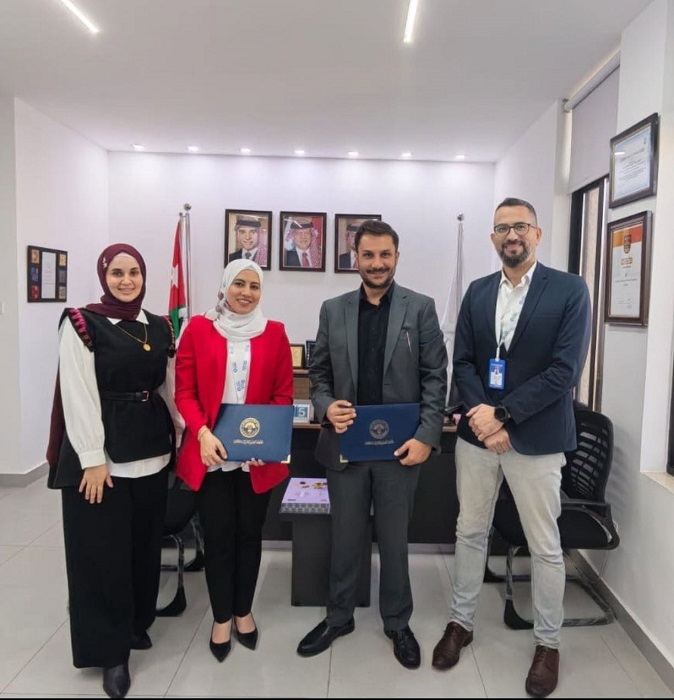
At the conclusion of the workshop, the Faculty of Pharmacy expressed its appreciation and gratitude to Eng. Firas Nasser and Al-Ibdaa Company for their contribution to delivering the workshop, emphasizing the importance of continuing specialized scientific activities that enrich academic knowledge and encourage the adoption of modern technologies in pharmaceutical research.





 العربية


.svg)