 05/11/2026
Faculty Development Center Organizes a Training Workshop on Academic Leadership and Institutional Governance
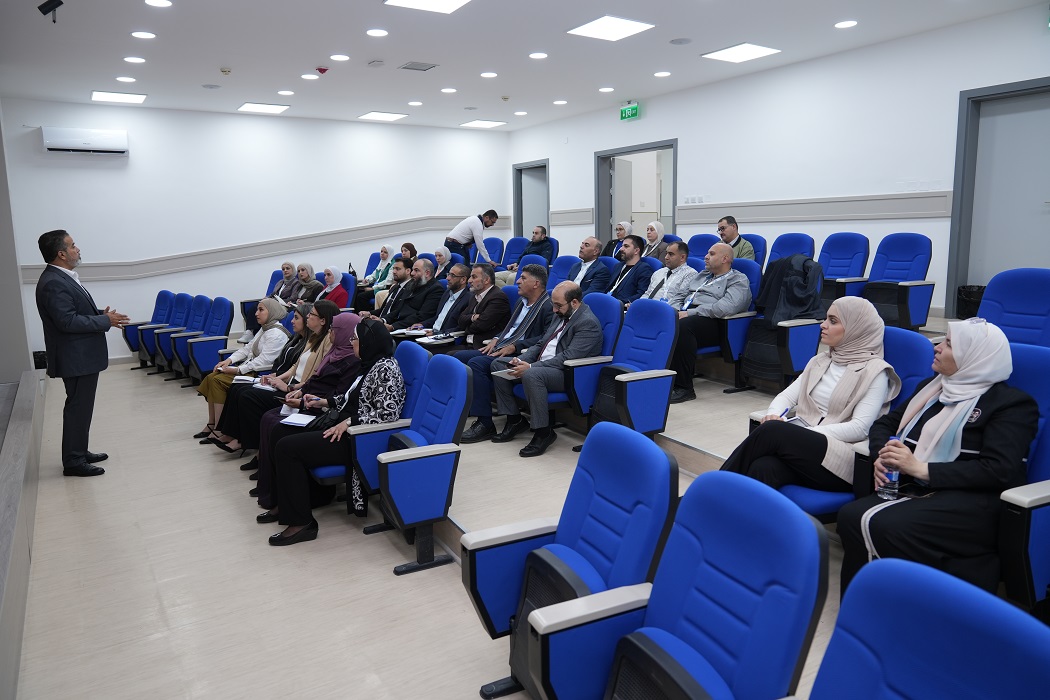
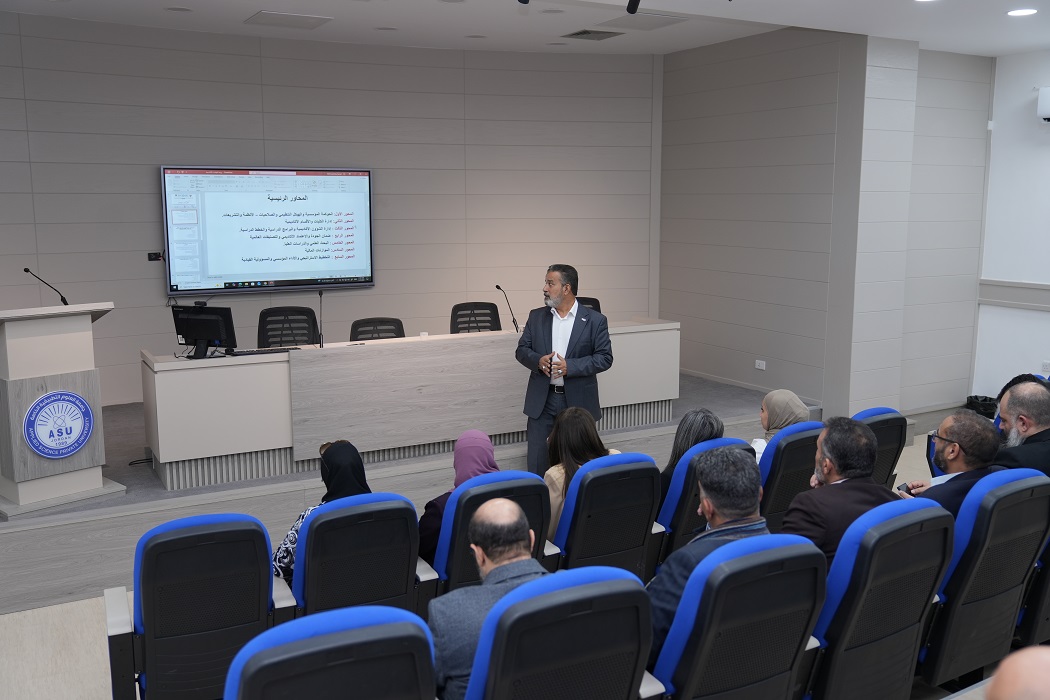
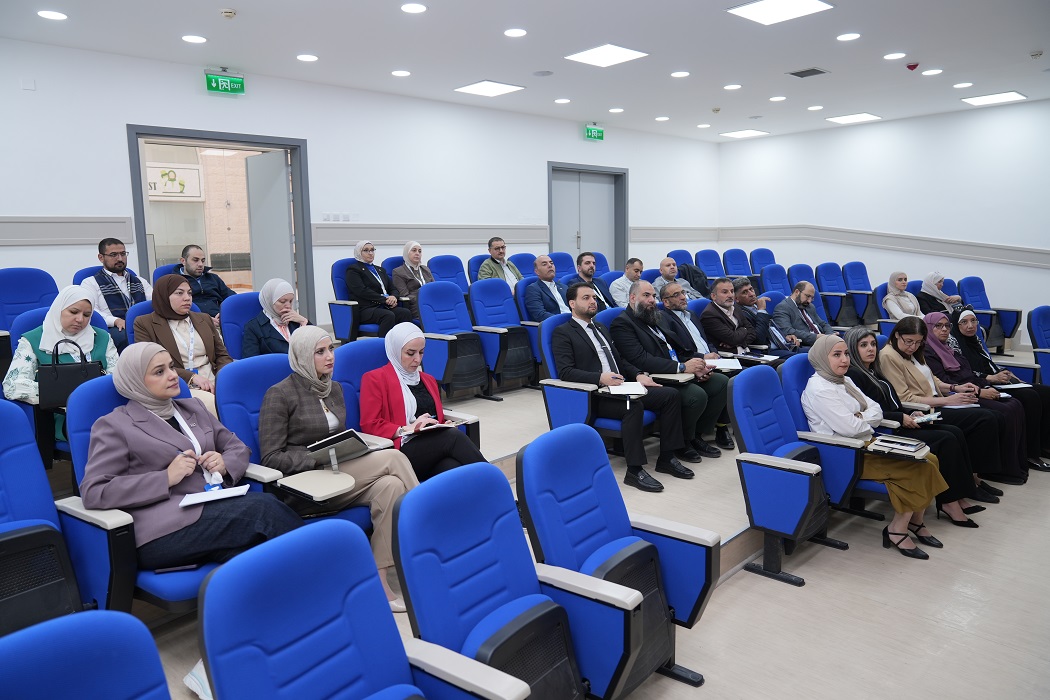
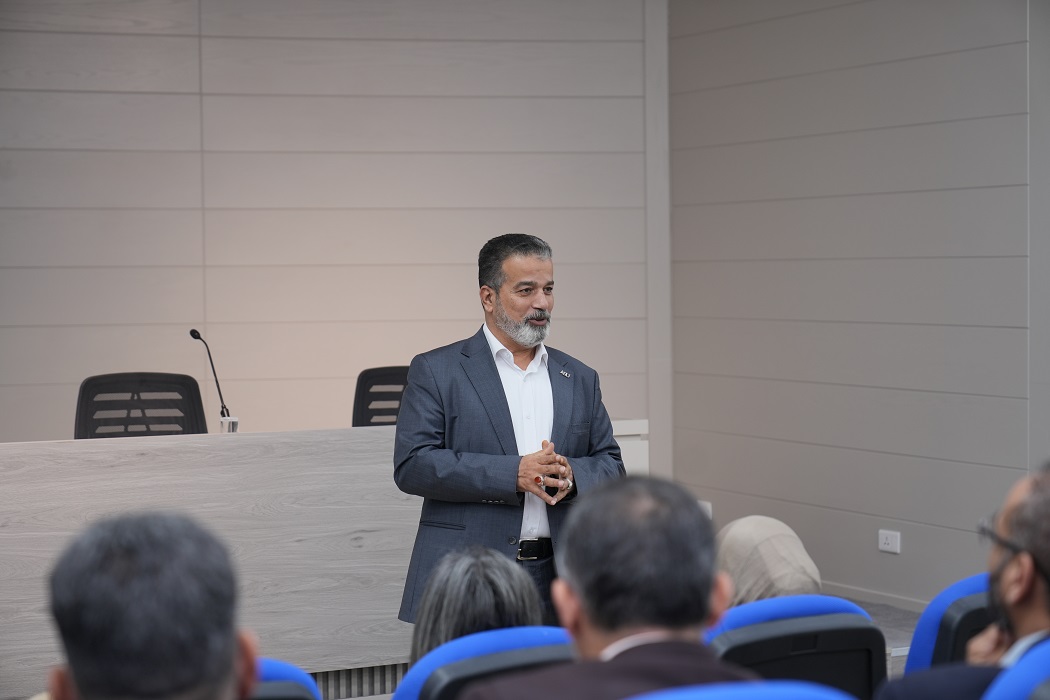
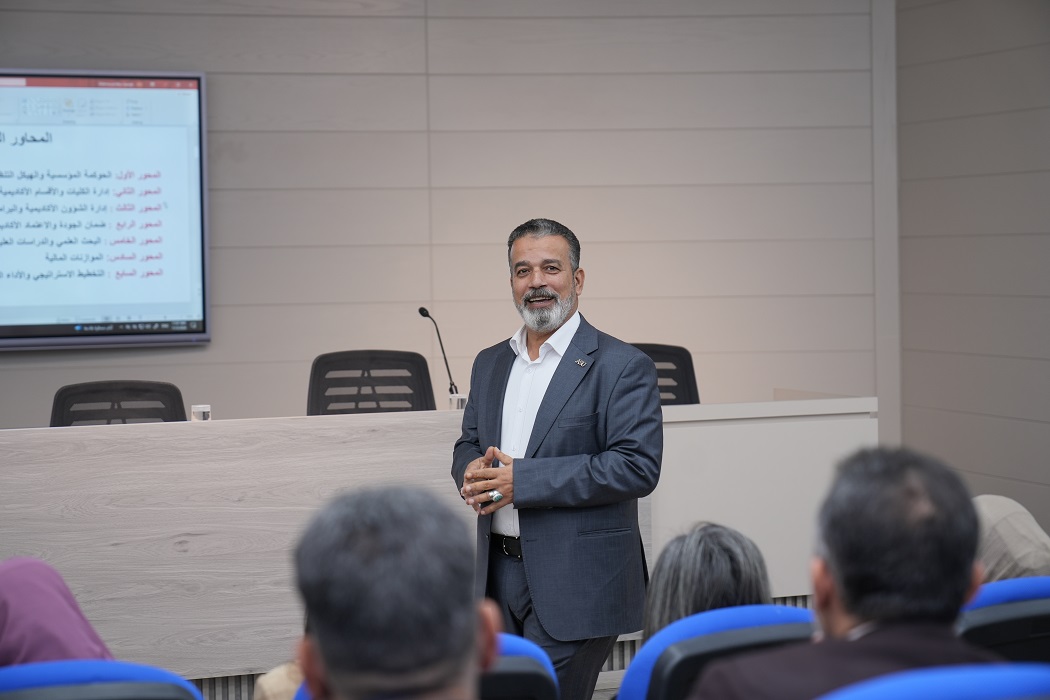
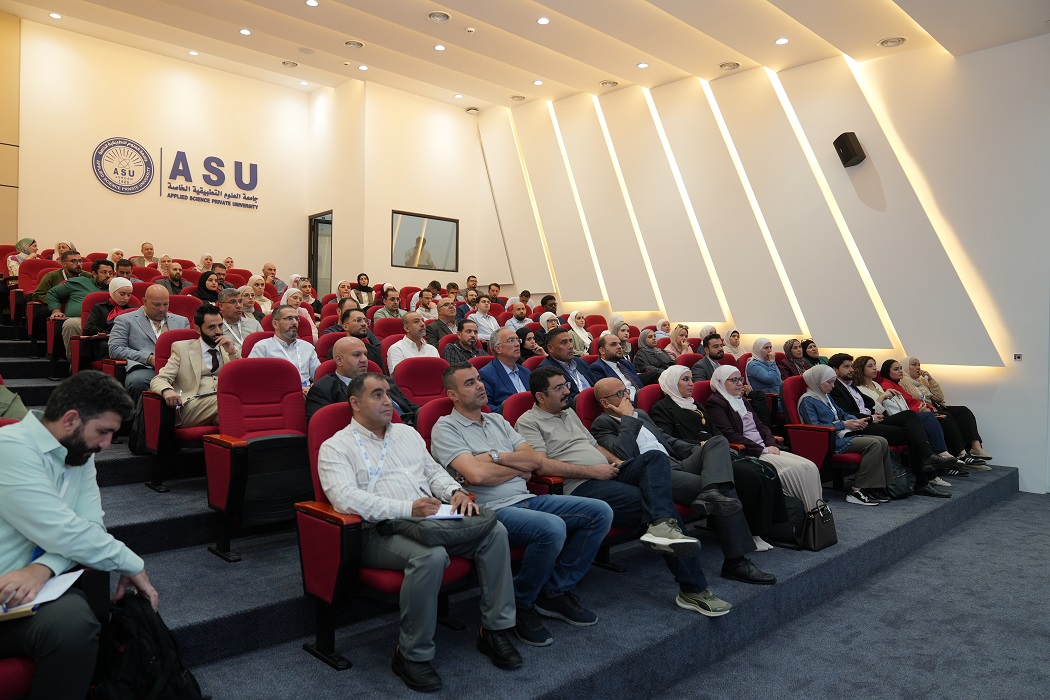
The Faculty Development Center at the Applied Science Private University organized a training workshop entitled “Academic Leadership at the University: Roles, Responsibilities, and Institutional Governance” on Thursday, November 5, 2026, at Auditorium No. (4026), Faculty of Pharmacy Building. The workshop targeted newly appointed Deans and Heads of Academic Departments. The workshop was delivered by Prof. Thair Kaddumi, Director of the Office of Quality Assurance and Accreditation. During the session, he addressed a range of topics related to effective academic leadership and its role in strengthening institutional performance and promoting the principles of governance, transparency, and accountability, thereby contributing to the achievement of the University’s strategic goals and objectives. The workshop covered seven main topics: 1. Institutional governance, organizational structure, authorities, regulations, and legislation. 2. Management of colleges and academic departments. 3. Management of academic affairs, academic programs, and study plans. 4. Quality assurance, academic accreditation, and international rankings. 5. Scientific research and postgraduate studies. 6. Financial budgets.
7. Strategic planning, institutional performance, and leadership responsibility. The workshop aimed to enhance the leadership and managerial capabilities of newly appointed academic leaders, clarify their roles and responsibilities, and familiarize participants with the organizational, legislative, and administrative frameworks governing academic operations. It also sought to strengthen decision-making efficiency and contribute to improving the quality of teaching and research. This workshop is part of Applied Science Private University’s ongoing commitment, through its Faculty Development Center, to investing in the development of leadership and managerial competencies and providing specialized training programs that contribute to building capable academic leaders who can assume responsibility, achieve institutional excellence, and keep pace with the evolving demands of the higher education sector.





 العربية



.svg)